Marine outfalls show compliant results
04 November 2024
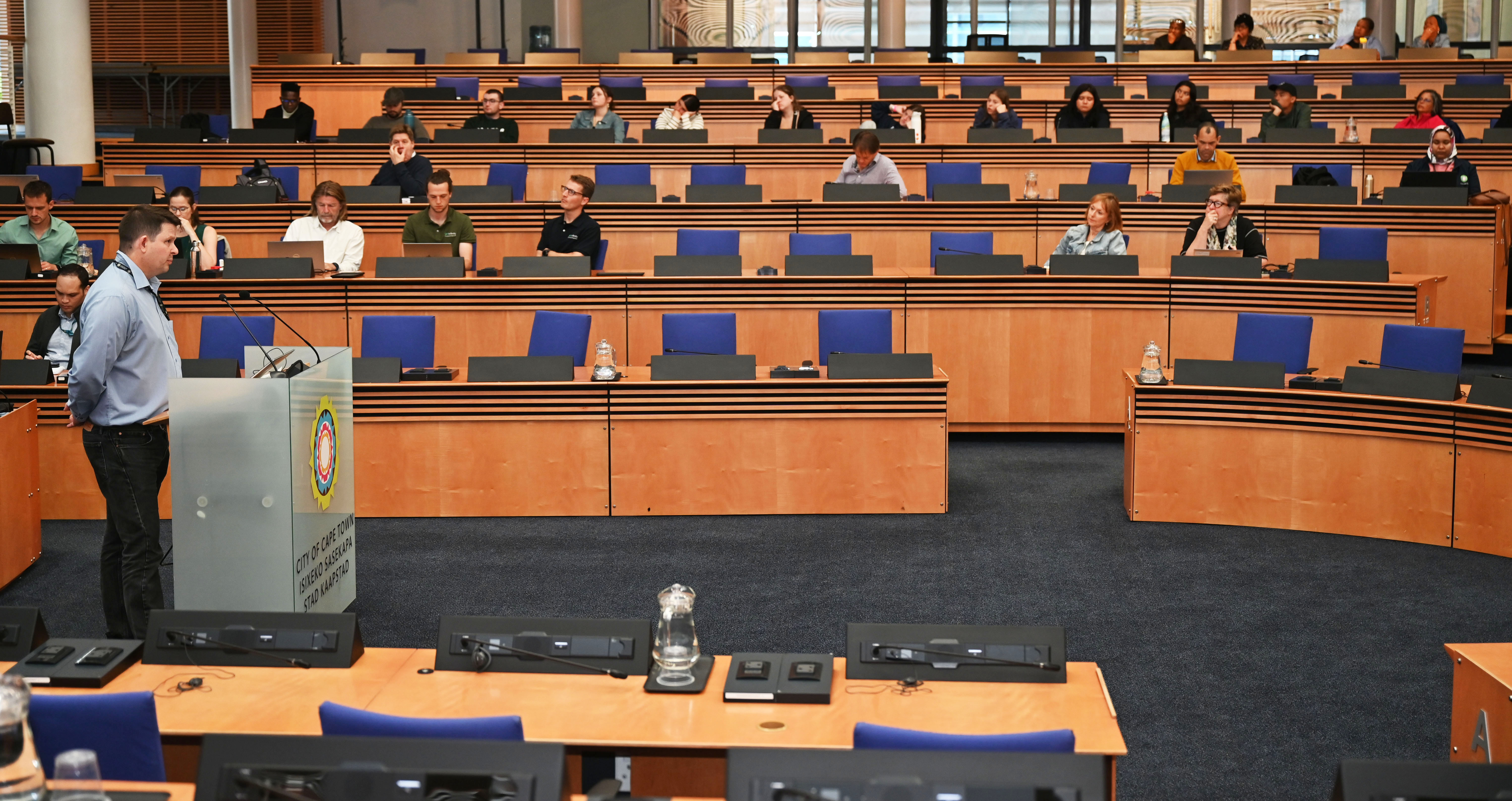
The third Public Advisory Forum (PAF) meeting was held on Monday, 28 October 2024 where reports tabled indicate that the system is largely compliant with established safety and environmental parameters. Our marine outfalls demonstrate compliance with regulatory standards, reflecting the City's commitment to environmental responsibility and public health
Throughout the first quarter of the monitoring programme, water quality tests taken near the edge of the outfall mixing zones remained within safe limits. The marine outfalls at Camps Bay, Green Point, and Hout Bay, which release treated wastewater offshore, have been effectively managed, with multiple levels of external and internal monitoring and auditing in place to ensure compliance with the water use licences.
‘These reports are a testament to the City’s dedication to safeguarding our coastal waters and ensuring public health. We are encouraged by the positive feedback received from the Permit Advisory Forum, affirming that our marine outfalls are managed effectively and responsibly. However, our commitment does not end here. We continue to explore alternative approaches to enhance environmental stewardship, ensuring that Cape Town remains a responsible guardian of both our natural resources and the health of our residents,’ said Councillor Zahid Badroodien, Mayoral Committee Member for Water and Sanitation.
 Highlights from the third PAF session
1. Effluent quantity monitoring:
On 29 August 2024, the Minister of Forestry, Fisheries and the Environment (DFFE) approved a temporary suspension of discharge volume limits for each of the three marine outfalls, as stipulated in their respective permits. Additionally, the minister announced plans to appoint an independent expert to advise him on a decision to address the queries related to the discharge volumes and will be meeting with the City at the end of November.
2. Environmental monitoring
The monitoring programme includes monthly water and ecotoxicity testing, with additional sediment and bioaccumulation assessments, providing robust data on water quality and environmental health. Overall, the marine outfalls met water quality standards for faecal enterococci levels in most locations, indicating controlled and effective wastewater discharge.
Ecotoxicity tests, specifically urchin fertilisation tests on samples from the mixing zone edges, revealed no toxicity, indicating almost no ecological impact on marine organisms in these areas.
This comprehensive monitoring framework has been approved by the Department of Forestry, Fisheries, and the Environment (DFFE).
3. Consistent Compliance with Effluent Standards
Across the three monitored outfalls, effluent quality has generally met stringent water quality standards, contributing to the safe and effective operation of these systems.
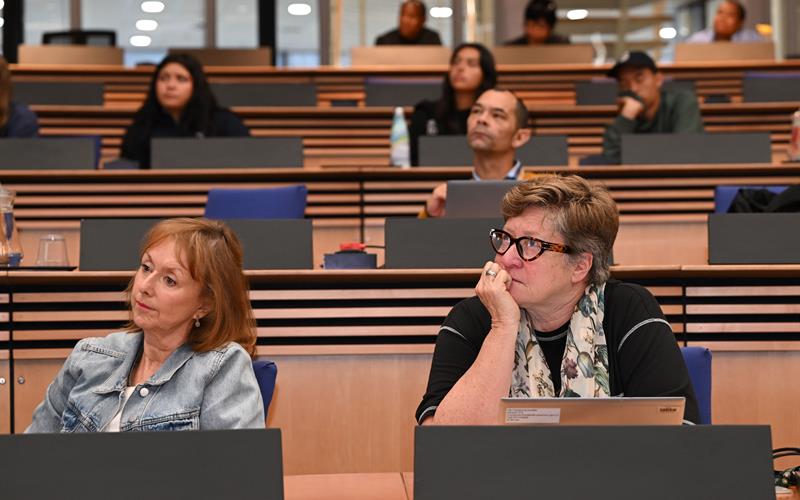 At the meeting on Monday, 28 October, it was noted that there were a few instances of elevated contaminant levels, particularly for metals. These exceedances were limited and within the operational adjustments, the City actively monitors and manages. Additionally, the Camps Bay pipeline, which has shown signs of diffuser deterioration, is set for further inspection and maintenance as part of a structured improvement programme.
It was also reported that, as part of an ongoing research project, the City’s Coastal Management team has been collecting water samples along the shoreline near the Green Point outfall pump station and along the old outfall pipeline – commonly referred to by some members of the public as ‘Leaky Lucy’. Contrary to recent claims made on social media, data collected throughout September and October shows no evidence of raw sewage discharge along this shoreline, or from ‘Leaky Lucy’.
 Summary of alternatives to the existing marine outfalls
The City is also investigating both short-term and long-term improvement projects, including the refurbishment of pipeline components, odour control upgrades at Camps Bay, and consideration of alternative treatment methods. These efforts are designed to support Cape Town's dedication to maintaining its coastal resources and ensuring compliance with environmental standards.
• Short-term Option:
o Refurbishment: Immediate upgrades include refurbishing the screens at the pump stations, de-gritting installation refurbishment at Hout Bay as well as odour control improvements at Camps Bay.
• Medium-term Options:
o A medium-term refurbishment tender is in progress for infrastructure enhancements across all three outfalls, and a comprehensive update will be provided at the next PAF meeting.
• Long-term Options:
The City is also assessing alternative treatment options as part of its commitment to environmental sustainability.
o Pump stations and pipelines: Building pump stations and pipelines to transport wastewater to existing treatment facilities, along with expanding conventional facilities at existing works.
o Phase 2 wastewater treatment plants: Developing Phase 2 of new wastewater treatment plants near existing outfalls.
o Advanced wastewater treatment plant: Implementing a phased construction of an advanced wastewater treatment plant near existing outfalls, incorporating primary, secondary, and tertiary treatment processes.
About marine outfalls
• The City operates three marine outfalls, which are located offshore, discharging beyond the intertidal zone at Hout Bay, Green Point and Camps Bay.
• The marine outfalls only discharge 5% of the city’s total wastewater. All other areas in Cape Town are serviced by 23 wastewater treatment works (WWTWs), which treat sewage by removing the nutrient loads before it is released as treated effluent into the natural environment.
Published by:
City of Cape Town, Media Office